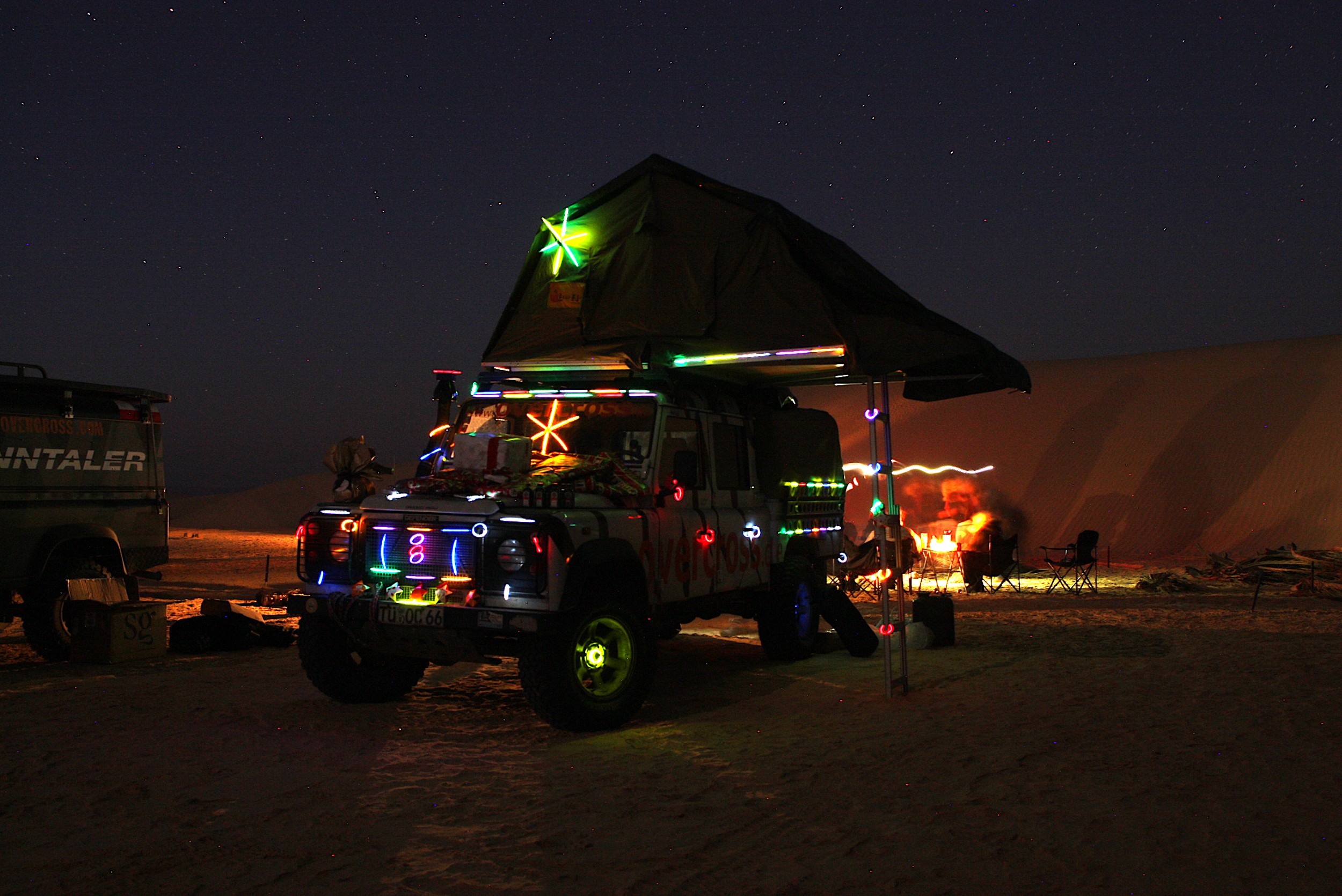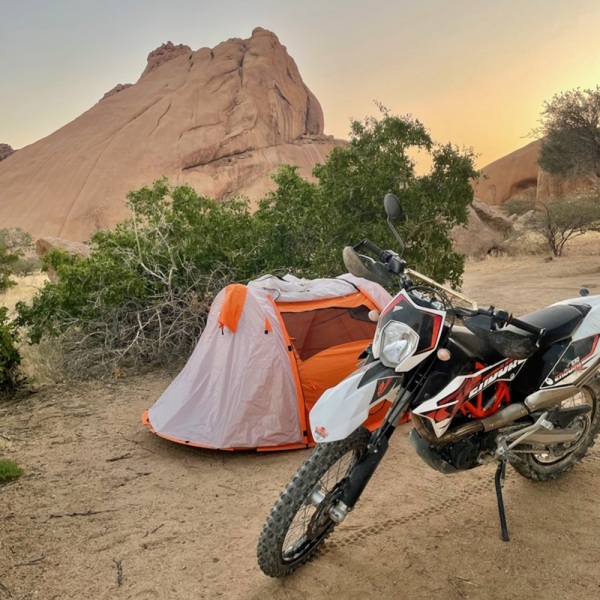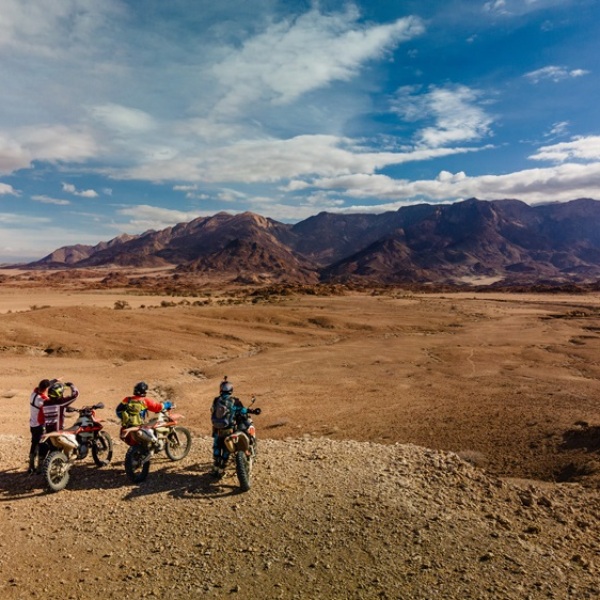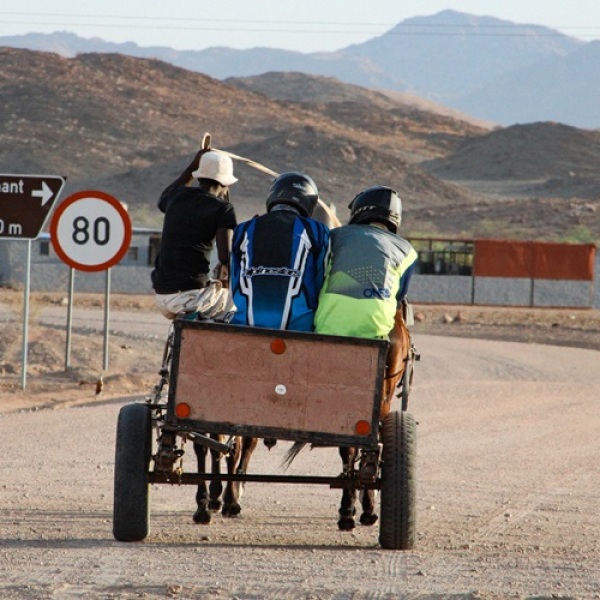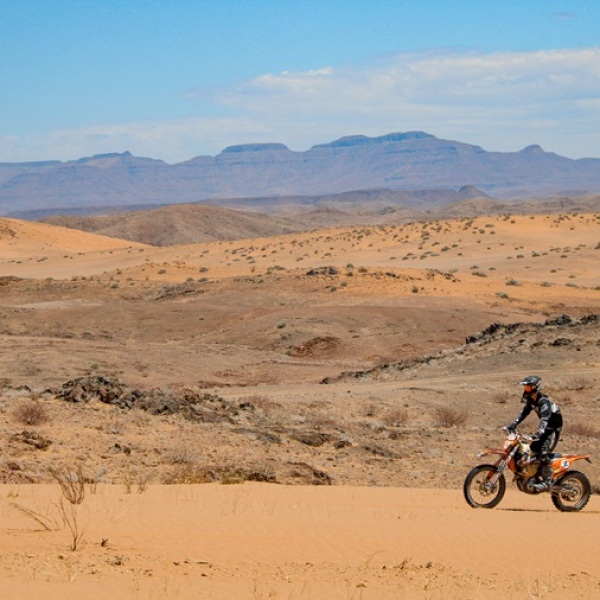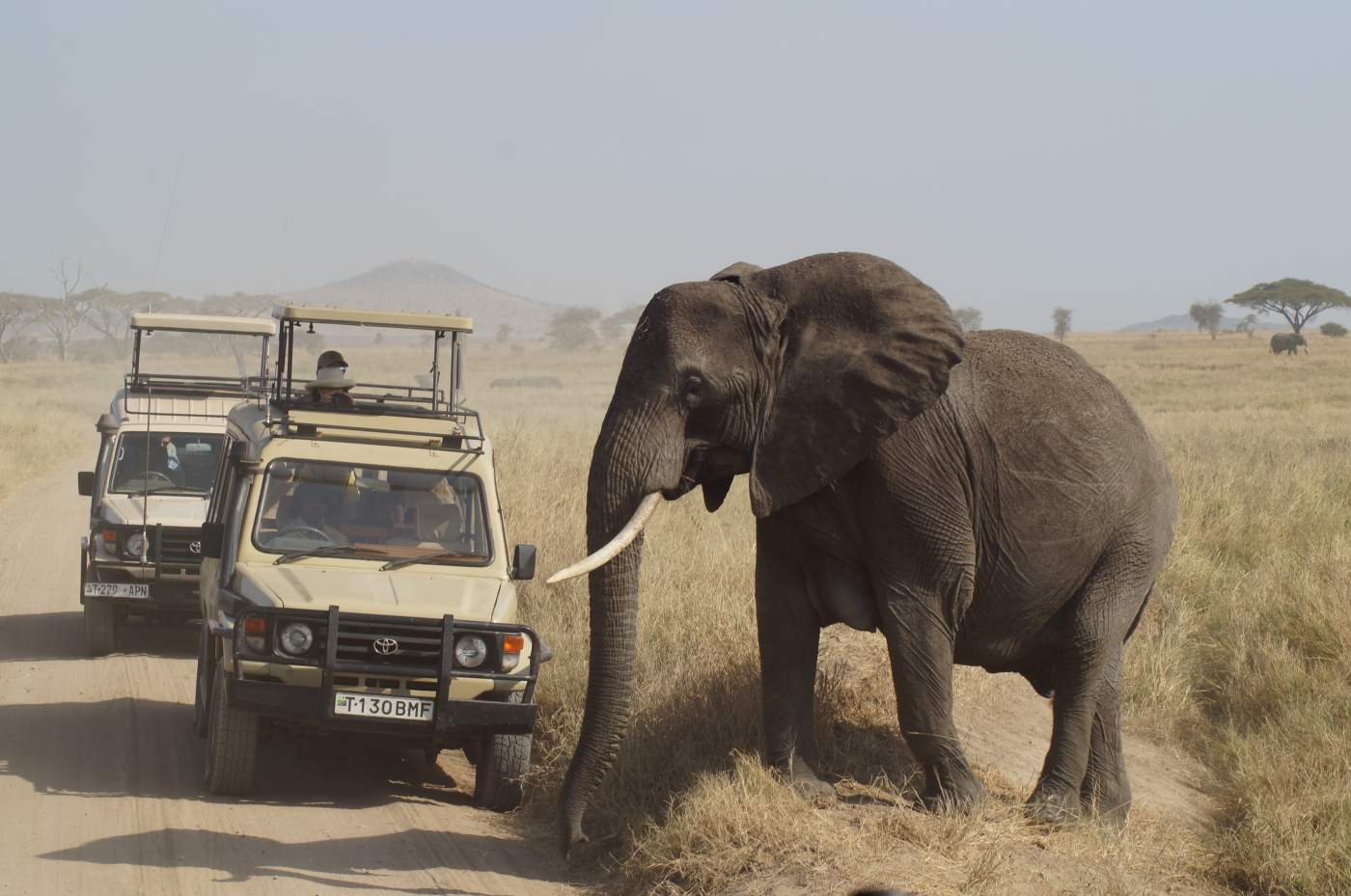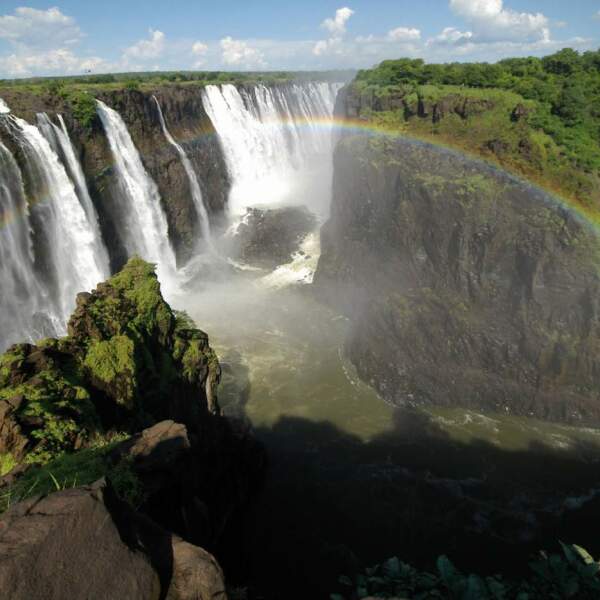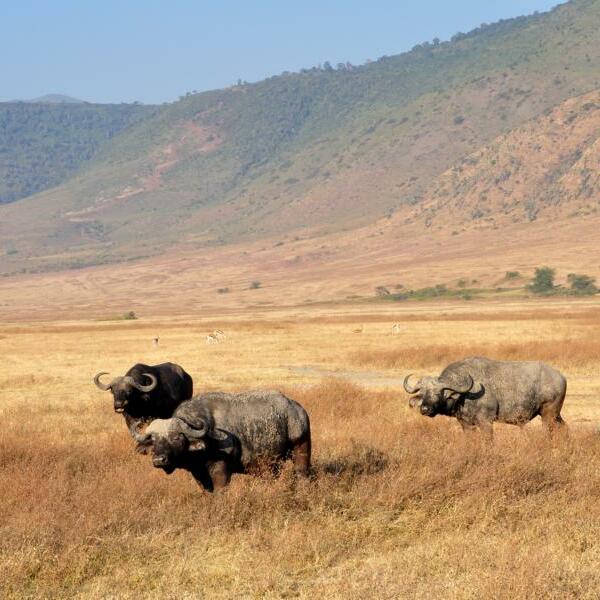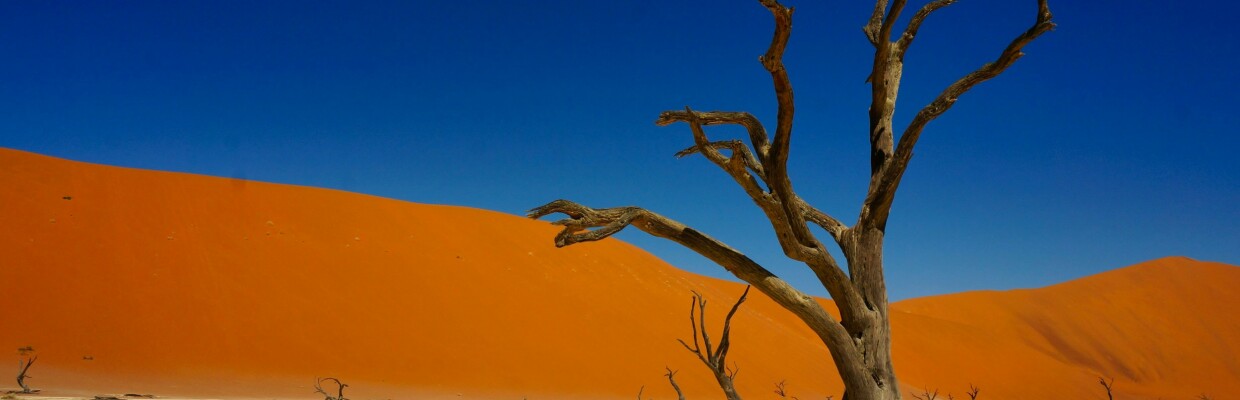
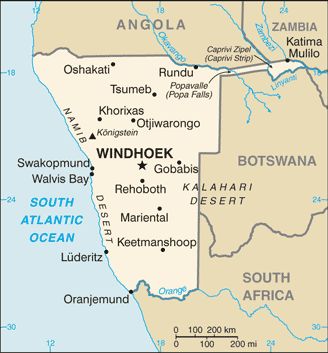
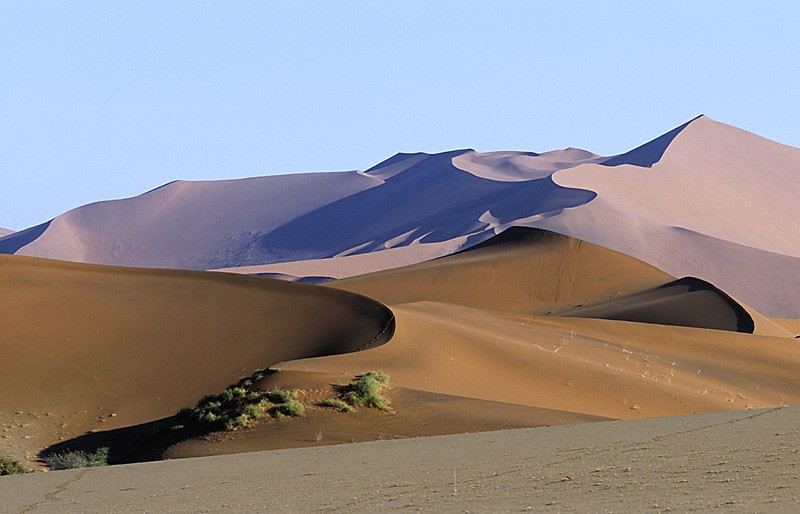
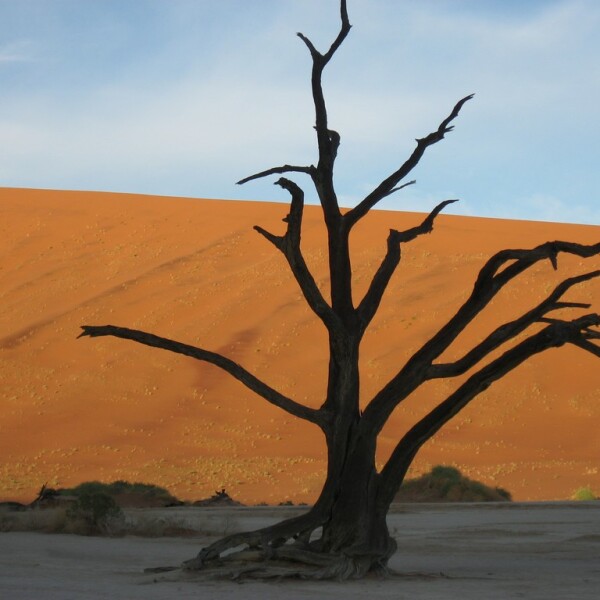
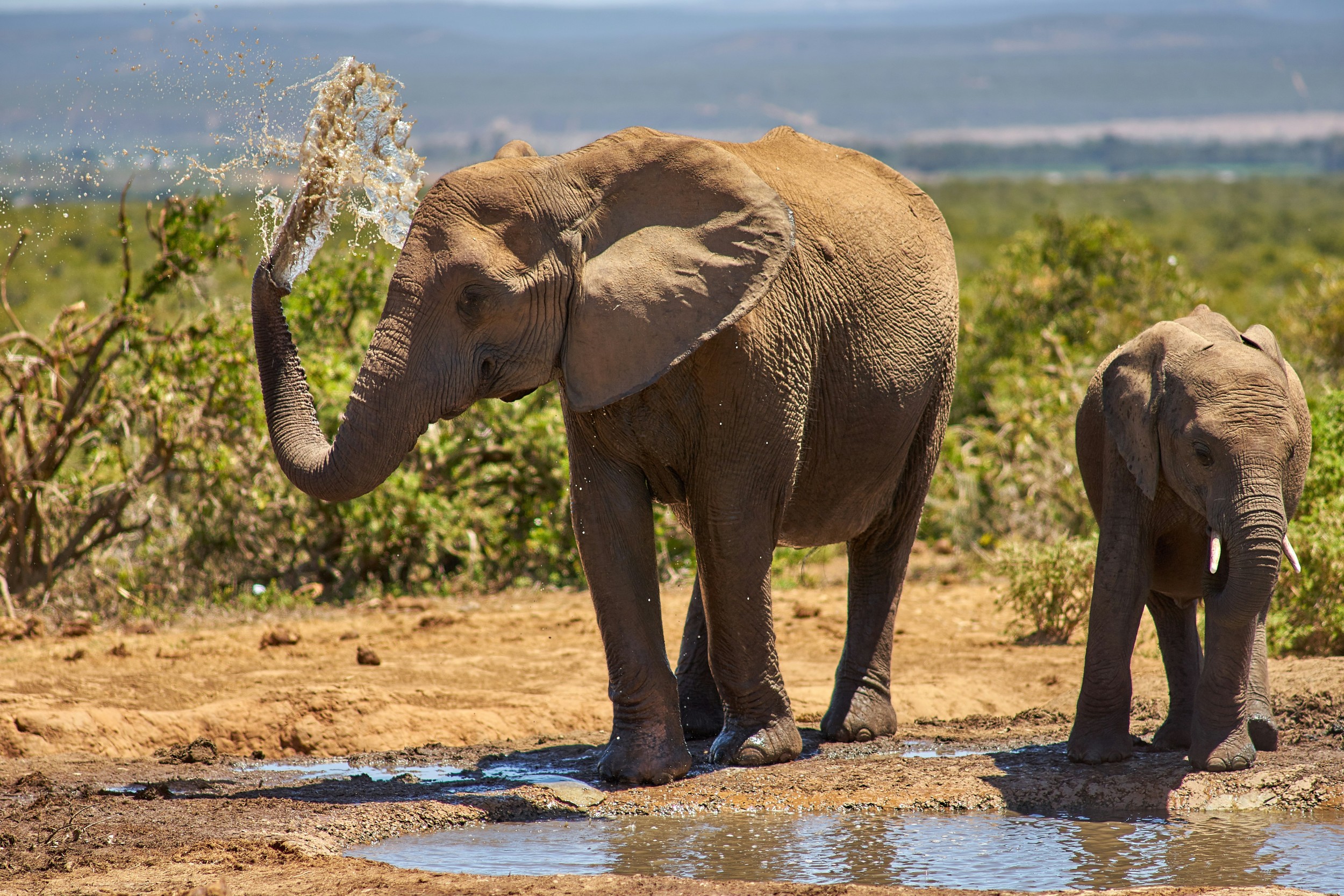
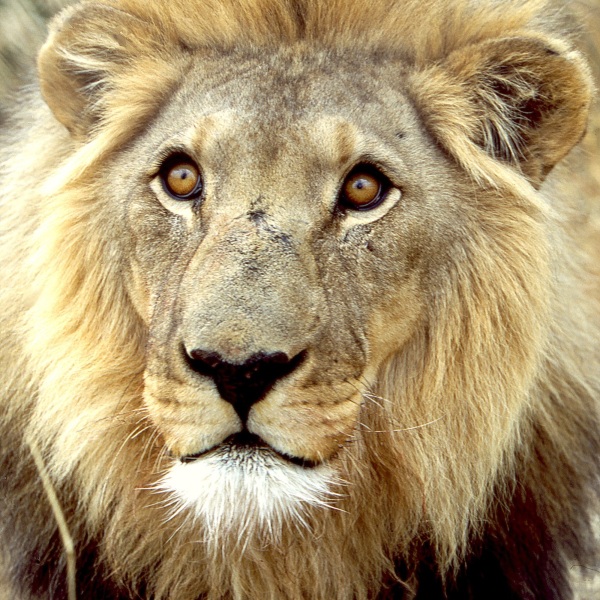
Namibia 2026 is a dream destination for guided adventure trips, safaris, and off-road adventures. Explore the endless desert landscapes with the red dunes of Sossusvlei, the impressive Fish River Canyon, and the vast plains of Damaraland. In Etosha National Park, you will encounter elephants, lions, and giraffes in the wild. The coastal town of Swakopmund combines colonial charm with outdoor activities such as quad biking, sandboarding, and kayaking tours. Experience cultural highlights like the colorful Windhoek Carnival and discover authentic specialties like Biltong and Potjiekos. The dry season from May to September offers perfect conditions for lodge safaris, camping trips, and tours through Namibia, Botswana, Zimbabwe, and South Africa.
No visas required for many citizens for stays of up to 90 days. Check the specific requirements for your country before traveling. If you need a visa, you can apply for it online or on arrival in Windhoek. Have all necessary documents ready to facilitate entry.
The Hosea Kutako International Airport (WDH) is the main airport in Namibia, through which most international flights land. It is located about 45 minutes from Windhoek. Alternatively, there are regional airports in Swakopmund and Lüderitz that are useful for domestic flights. Transportation options include taxis and shuttle services that will quickly take you to the city center.
The local currency in Namibia is the Namibian Dollar (NAD), which is pegged 1:1 to the South African Rand. Credit cards are accepted in most major cities and tourist spots, but it is advisable to also carry cash for rural areas. ATMs are available in cities, so plan your withdrawals accordingly.
In general, vaccinations against Hepatitis A, typhoid, and tetanus are recommended. A yellow fever certificate is required if you are arriving from a risk area. Comprehensive travel insurance is strongly recommended to cover unexpected medical costs. Also, inform yourself about the current situation related to Covid-19.
An international driver's license is essential to drive a car in Namibia. The traffic rules are similar to those in Europe, but be aware of wildlife and unpaved roads. A 4x4 vehicle is recommended to reach remote areas. Also, plan enough time for travel, as road conditions can vary.