A visa is required for entry into Cuba. You can easily apply for it online or through the Cuban embassy in your country. A visa on arrival is not available, so plan ahead. The recognition period generally lasts 30 days, with an extension of 30 days possible.
The José Martí International Airport in Havana is the largest and best airport to fly to Cuba. It offers numerous international connections and easy access to major cities. Car rentals and taxis are available at the airport to start your journey with a motorcycle.
The local currency is the Cuban Peso (CUP). Credit cards are accepted only by a few banks and in large hotels, so it’s best to bring cash. Currency exchange offices are available throughout the city, but note that some banknotes may not be accepted. Many travelers also buy USD or Euros, as they are favorable for exchange.
For travel to Cuba, some recommended vaccinations like Hepatitis A, Typhoid, and Tetanus are important. A travel insurance is also essential, especially to cover potential medical expenses. Proof of insurance is often required upon entry, so you should arrange this in advance.
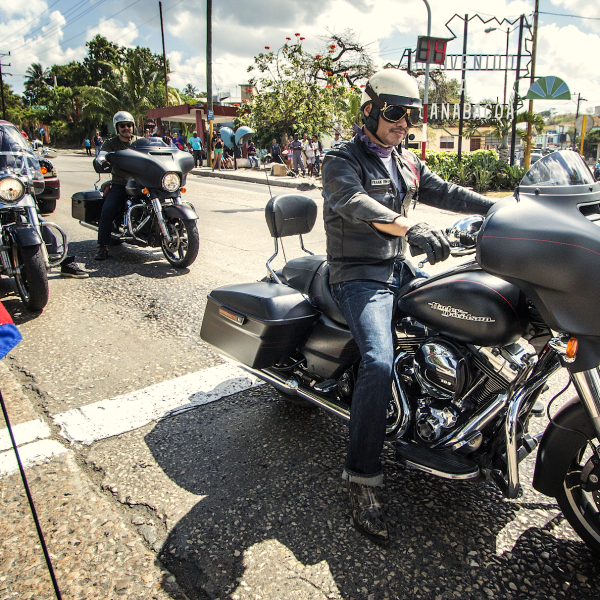
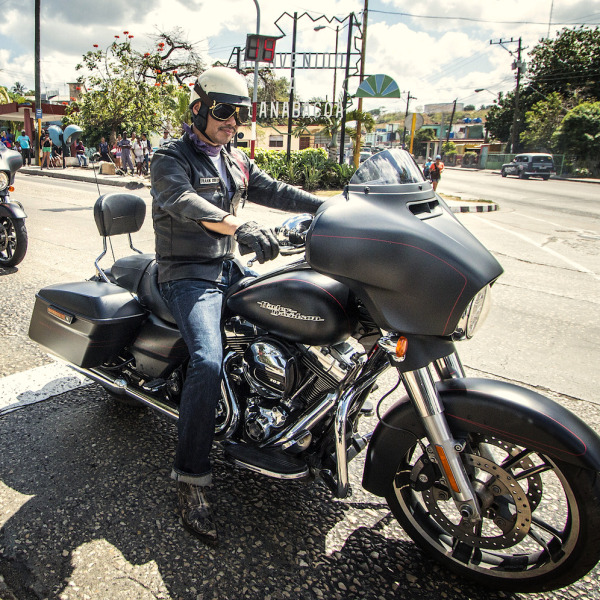
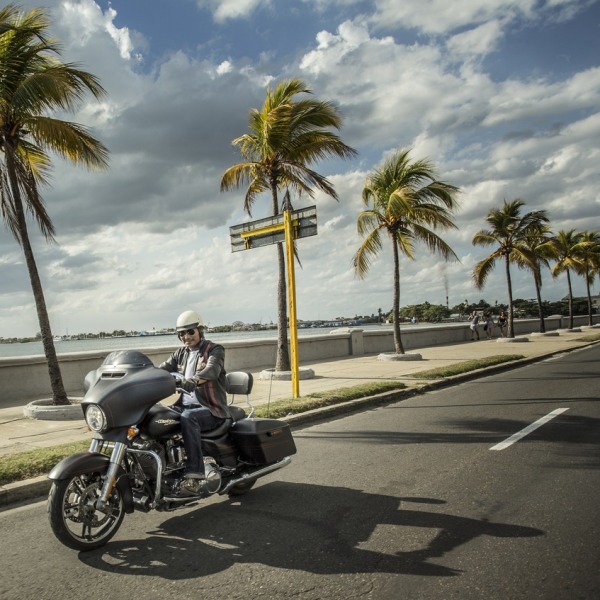
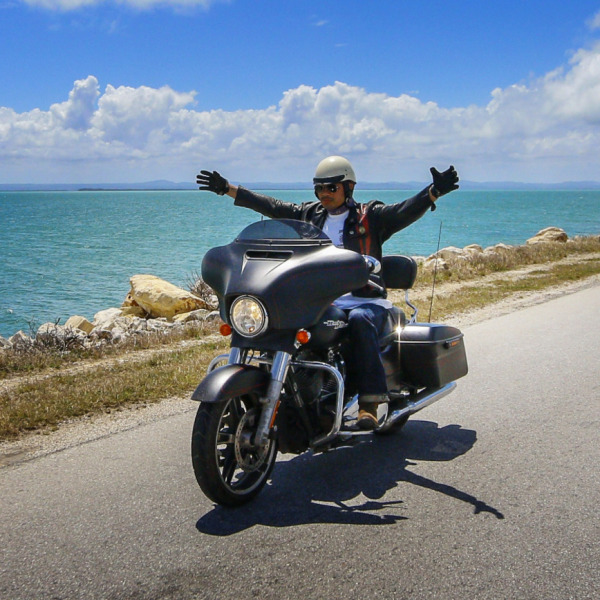
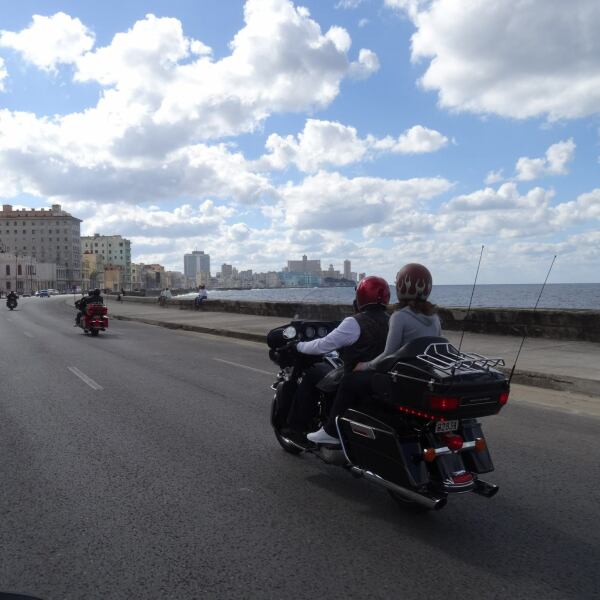
To drive in Cuba, you need an international driver's license and your national driver's license. Make sure you have both documents with you. Some car rental companies also require stamped papers when renting motorcycles. Drive carefully, as road conditions may vary.
In Cuba, you can easily obtain SIM cards for your mobile needs. They are available at phone shops, some hotels, and in official ETECSA offices. Registration with your passport is necessary. Keep in mind that data packages can be expensive, so plan accordingly if you need mobile data.